
Regional Design Trends: How to Compete in Your Local Vacation Rental Market
Go Local to Win Big
Generic is Over. The key to standing out in the crowded vacation rental market of 2026 is to create a property that feels deeply connected to its location. Guests are no longer booking a space; they are booking an experience, and authentic, regional design is the foundation of that experience.
Differentiation Through Design. From the sun-drenched coasts of California to the cozy mountains of Colorado, each region has a unique design language. Embracing this language, through color, materials, and local art, is the most powerful way to attract your ideal guest and command a higher nightly rate.
Key Regional Aesthetics:
Coastal: Light, airy, and natural (rattan, linen, driftwood).
Mountain: Warm, cozy, and rustic (wood, stone, layered textiles).
Desert: Earthy, minimalist, and organic (terracotta, clay, natural wood).
Urban: Chic, bold, and cultured (industrial metals, vibrant art, boutique hotel feel).
Rural/Farmhouse: Charming, simple, and timeless (vintage finds, natural woods, muted tones).
The ROI is Real. Investing in professional, region-specific design isn’t just an expense; it’s a revenue-generating strategy. Data shows that well-designed properties can see a 15-50% increase in rental income 1. This article breaks down the essential vacation rental design trends by region to help you dominate your local market.
The End of the One-Size-Fits-All Airbnb
In the early days of vacation rentals, a clean space with a comfortable bed was enough. Today, with over 8 million listings on Airbnb alone, the market is saturated with generic, uninspired properties 2. Guests have become more discerning, scrolling past listings that could be anywhere in the world, searching for something that feels special, authentic, and deeply connected to the place they are visiting.
This is where regional design becomes your most powerful competitive advantage. A generic “modern” design in a rustic mountain town feels cold and out of place. A heavy, dark theme in a breezy beach house feels oppressive. To truly succeed, your property’s interior must be a seamless extension of its exterior environment. It should tell a story about your location, giving guests the immersive, authentic experience they crave.
This guide will walk you through the dominant design trends for five key vacation rental regions, providing actionable insights and inspiration to help you transform your property from just another listing into a destination in itself.
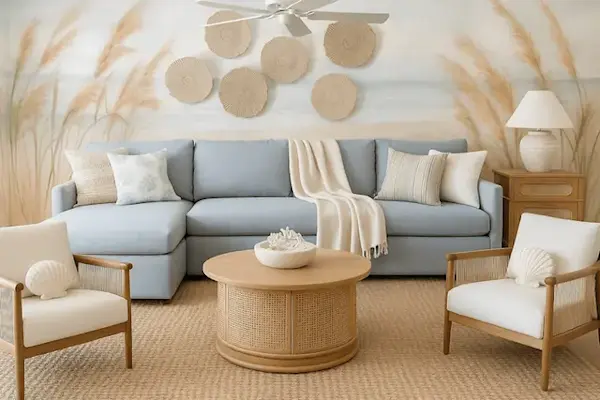
Coastal Retreats: Sun, Sand, and Serenity
The goal of a coastal property is to create a sense of calm and relaxation, blurring the lines between indoors and out. This aesthetic is less about literal nautical themes (like anchors and seashells) and more about capturing the feeling of being by the water.
“The new coastal is about organic textures and a muted, natural palette,” notes the design team at Showplace. “It’s sophisticated but comfortable, creating a serene escape that feels both high-end and effortless.”
Key Elements of Coastal Design:
Color Palette: Start with a base of soft whites, sandy beiges, and light creams. Layer in shades of blue (from pale sky blue to deep navy) and soft greens. The key is to keep the overall feeling light and airy.
Natural Materials: This is the cornerstone of modern coastal design. Think rattan or wicker furniture, jute or sisal rugs, driftwood accents, and linen upholstery. These materials add texture and warmth, preventing the space from feeling sterile.
Light & Breezy Textiles: Use lightweight, flowing curtains that let in plenty of natural light. Opt for bedding and throw pillows in natural fabrics like cotton and linen.
Subtle Nods to the Sea: Instead of overt nautical decor, incorporate abstract art that evokes the ocean, coffee table books about the local coastline, or subtle patterns in pillows and throws.
Element | What to Use | What to Avoid |
Colors | Soft Whites, Sandy Beige, Muted Blues/Greens | Bright Yellows, Overly Saturated Primary Colors |
Materials | Rattan, Jute, Linen, Light Woods (e.g., White Oak) | Heavy, Dark Woods (e.g., Mahogany), Lacquered Surfaces |
Decor | Abstract Ocean Art, Local Photography, Textured Pottery | Kitschy Signs, Seashell Jars, Anchor-Printed Everything |
Get the Look: For inspiration, explore our design guide for beach house rentals or browse our portfolio of stunning coastal properties.
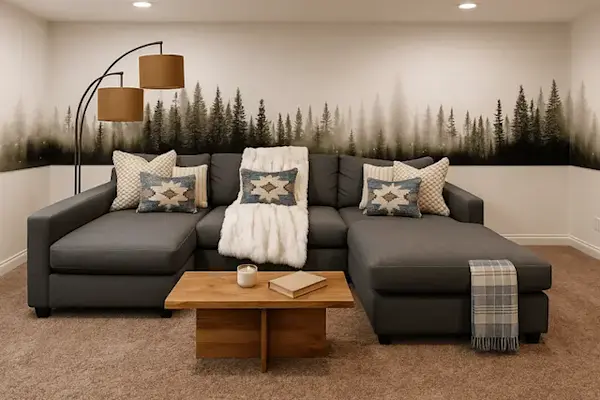
Mountain Escapes: Cozy, Rustic, and Refined
A mountain rental should feel like a warm, welcoming hug after a day of hiking or skiing. The design should be grounded, cozy, and connected to the rugged landscape outside. The trend for 2026 is moving away from the heavy, log-cabin look toward a more refined “mountain contemporary” aesthetic.
Key Elements of Mountain Design:
Color Palette: Draw from the colors of the forest and mountains. Think deep greens, charcoal grays, warm browns, and rich rust tones, all balanced with creamy whites to keep the space from feeling too dark.
Natural Materials: Wood and stone are the heroes here. Exposed wood beams, a stone fireplace surround, or a live-edge wood dining table can all serve as powerful focal points. Leather is also a great choice for seating.
Layered Textiles: Create a sense of coziness with layers of different textures. Think wool blankets, flannel pillows, faux fur throws, and plush area rugs. This is essential for creating that sought-after “hygge” feeling.
The Fireplace as a Focal Point: The fireplace is the heart of a mountain home. Ensure it’s a central, inviting feature with comfortable seating arranged around it.
Get the Look: A statement leather sofa, a set of cozy armchairs, and a large, textured rug can instantly establish a mountain contemporary vibe. See how we’ve done it in our mountain portfolio projects.
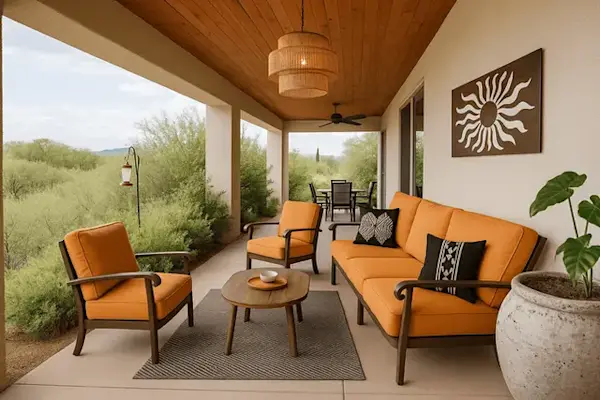
Desert Hideaways: Earthy, Minimal, and Organic
Inspired by the landscapes of places like Joshua Tree, Scottsdale, and Santa Fe, desert design is warm, minimalist, and deeply connected to the earth. It’s about creating a calm, spiritual oasis that feels both ancient and modern.
Key Elements of Desert Design:
Color Palette: Embrace a warm, earthy palette. Terracotta, burnt orange, sand, and ochre are foundational colors. Use black or charcoal as an accent for a touch of modern drama.
Organic Textures & Materials: Think plaster or limewash walls, clay pottery, concrete floors or countertops, and furniture made from natural, unfinished woods.
Minimalist Approach: Desert design is not about filling a space. It’s about choosing a few, high-impact pieces and giving them room to breathe. Every object should feel intentional.
Indoor Plants: Cacti and succulents are a must. They add a touch of life and color and are perfectly suited to the aesthetic and climate.
Get the Look: Start with a warm, neutral wall color. Add a statement piece of furniture in natural wood, and then layer in texture with woven wall hangings, clay pots, and linen textiles. Our Bohemian and Eclectic furniture packages are a great starting point.
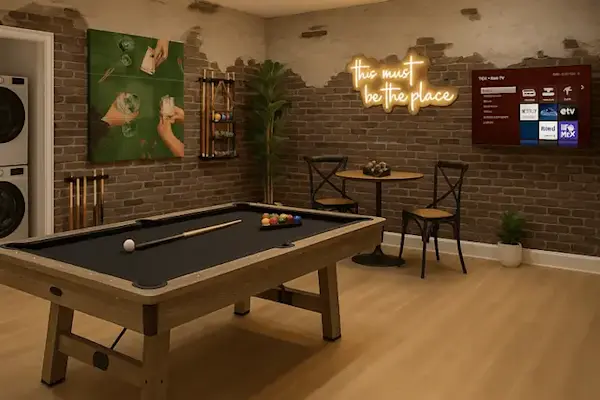
Urban Hubs: Chic, Cultured, and Convenient
In a dense city market, your rental needs to feel like a stylish, boutique hotel. It’s an opportunity to be bolder and more contemporary. Guests are often business travelers or tourists looking for a vibrant home base to explore the city.
Key Elements of Urban Design:
Bold & Moody Colors: Don’t be afraid to use darker, more saturated colors like navy, emerald green, or charcoal gray, especially on an accent wall. These colors create a sense of sophisticated drama.
Industrial & Luxe Materials: Mix industrial elements like exposed brick, concrete, or metal light fixtures with luxe materials like velvet, leather, and brass to create a rich, layered look.
Local Art as a Centerpiece: This is the easiest way to make your urban rental feel authentic. Feature a large piece of art from a local artist or a gallery wall of local photography. It’s an instant conversation starter and a great way to connect guests to the city’s culture.
Multi-Functional Spaces: In smaller urban apartments, every square foot counts. Use furniture that can serve multiple purposes, like a dining table that can also work as a desk, or an ottoman with hidden storage.
Get the Look: Check out our Austin mid-term rental project for inspiration on creating a chic, functional urban space that attracts high-value bookings.
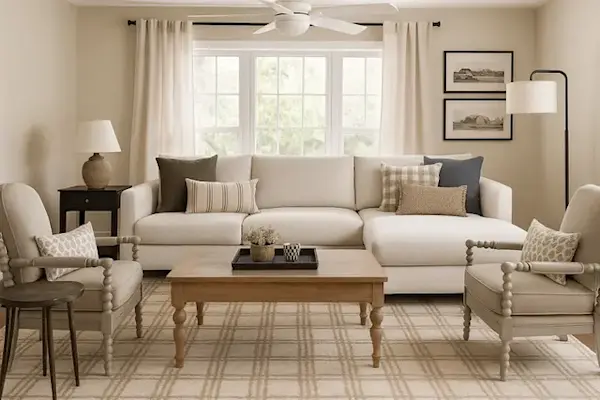
Rural & Farmhouse Charm: Simple, Timeless, and Authentic
Whether in wine country or a quiet rural town, the modern farmhouse aesthetic is about simplicity, comfort, and a connection to history. It’s less about the cliché signs and more about creating a genuine sense of rustic elegance.
Key Elements of Farmhouse Design:
Color Palette: A classic palette of whites, creams, and grays provides a clean backdrop. Use black as a sharp, modern accent in window frames, light fixtures, or hardware.
Natural & Reclaimed Woods: Shiplap walls, reclaimed wood shelving, or a sturdy farmhouse dining table are hallmarks of this style.
Vintage & Found Objects: Mix new furniture with unique vintage finds from local antique shops. An old chest used as a coffee table or a set of mismatched vintage dining chairs can add immense character.
Focus on the Kitchen & Dining: The kitchen is the heart of the farmhouse. Create a large, inviting dining space that encourages guests to gather for meals. A well-equipped kitchen is a major selling point for this type of rental.
Get the Look: A large, solid wood dining table is the perfect anchor for a modern farmhouse design. Pair it with a mix of modern and vintage chairs and a simple, elegant light fixture. Our furnishing services can help you source the perfect pieces.
Key Takeaways for Hosts
Stop Decorating, Start Designing: Move beyond generic furniture and create a cohesive, intentional design that tells a story about your location.
Know Your Market: Understand the dominant aesthetic in your region and lean into it. Browse top-performing local listings for inspiration.
Invest in Quality: In a competitive market, quality matters. Well-made, durable furniture not only looks better but also stands up to the rigors of rental use, improving your long-term ROI.
Don’t Be Afraid to Niche Down: A property with a strong, specific design identity (e.g., “moody mountain cabin” or “breezy coastal bungalow”) is more memorable and marketable than one that tries to be everything to everyone.
When in Doubt, Get Professional Help: A professional design service like Showplace can be the difference between a good listing and a great one. We specialize in creating bookable, market-driven designs that generate results.
Frequently Asked Questions (FAQs)
Q: Can I mix different regional styles?
A: It’s possible, but it should be done with intention. For example, a “Coastal Farmhouse” can work well, blending the light, breezy feel of coastal design with the rustic charm of farmhouse elements. The key is to choose one style as your dominant theme and use the other for accents. Avoid trying to do too much at once, which can lead to a confusing, cluttered space.
Q: How often do I need to update my design to keep up with trends?
A: If you invest in a timeless, high-quality foundation based on your region’s core aesthetic, you won’t need to do major overhauls often. You can keep the space feeling fresh by updating smaller, less expensive items every 1-2 years. This includes things like throw pillows, bedding, art, and decor. A full property refresh might be needed every 5-7 years to stay competitive.
Q: Is it worth it to hire a professional designer for my vacation rental?
A: For most hosts, yes. While it’s an upfront investment, professional design is one of the few renovations that directly impacts your revenue potential. A designer who specializes in vacation rentals understands how to create a space that is not only beautiful but also durable, functional, and optimized for photography. This leads to more bookings, higher nightly rates, and better reviews, providing a clear return on investment.
Conclusion: Your Design is Your Brand
In the competitive landscape of 2026, you can no longer afford to have a property that lacks a clear identity. Your design is your most important marketing tool. By embracing the unique character of your region and investing in a thoughtful, authentic design, you create a powerful brand that attracts the right guests, earns rave reviews, and maximizes your rental income. Stop blending in and start standing out.
Ready to transform your property into a regionally-inspired, bookable masterpiece? Talk to a Showplace design expert today!
About the Author
Justin Miller is a leading voice in the short-term rental industry and the co-founder of Showplace, a premier design and furnishing service for vacation rental owners. With a passion for data-driven design, Justin helps hosts across the country unlock their property’s full potential.